Tips
Five Habits That Keep Your Drains Clear
- Tips
- drains
- prevention
- septic
Most clogs start small: grease, hair, wipes and food scraps that build up a little at a time. Five everyday habits that keep water moving, what never belongs down a drain, and the signs the problem is further down the line.
Pete
3 min read
On this page
A slow drain rarely clogs overnight. Grease, hair, soap and food scraps build up a little at a time, narrowing the pipe until one day the water just sits there. Most of the drain calls we run could have been avoided with a few small habits. Here are the five that matter most.
1. Keep grease out of the sink
Hot bacon fat and cooking oil go down as a liquid, then cool and stick to the inside of the pipe. Every bit of food that washes past catches on it. Let grease cool in the pan, wipe it out with a paper towel or pour it into a can, and throw it in the trash. Hot water and dish soap only move the problem a few feet further down the line.
2. Use strainers and empty them
A basket strainer in the kitchen sink and a hair catcher in every shower and tub cost a few dollars and stop most clogs before they start. Empty them into the trash, not back down the drain.
3. Scrape plates, even with a disposal
A garbage disposal grinds food, it doesn't make it disappear. Coffee grounds, eggshells, rice, pasta and potato peels turn into a paste that settles in the trap and the line. Scrape plates into the trash or compost and save the disposal for the little bits that rinse off.
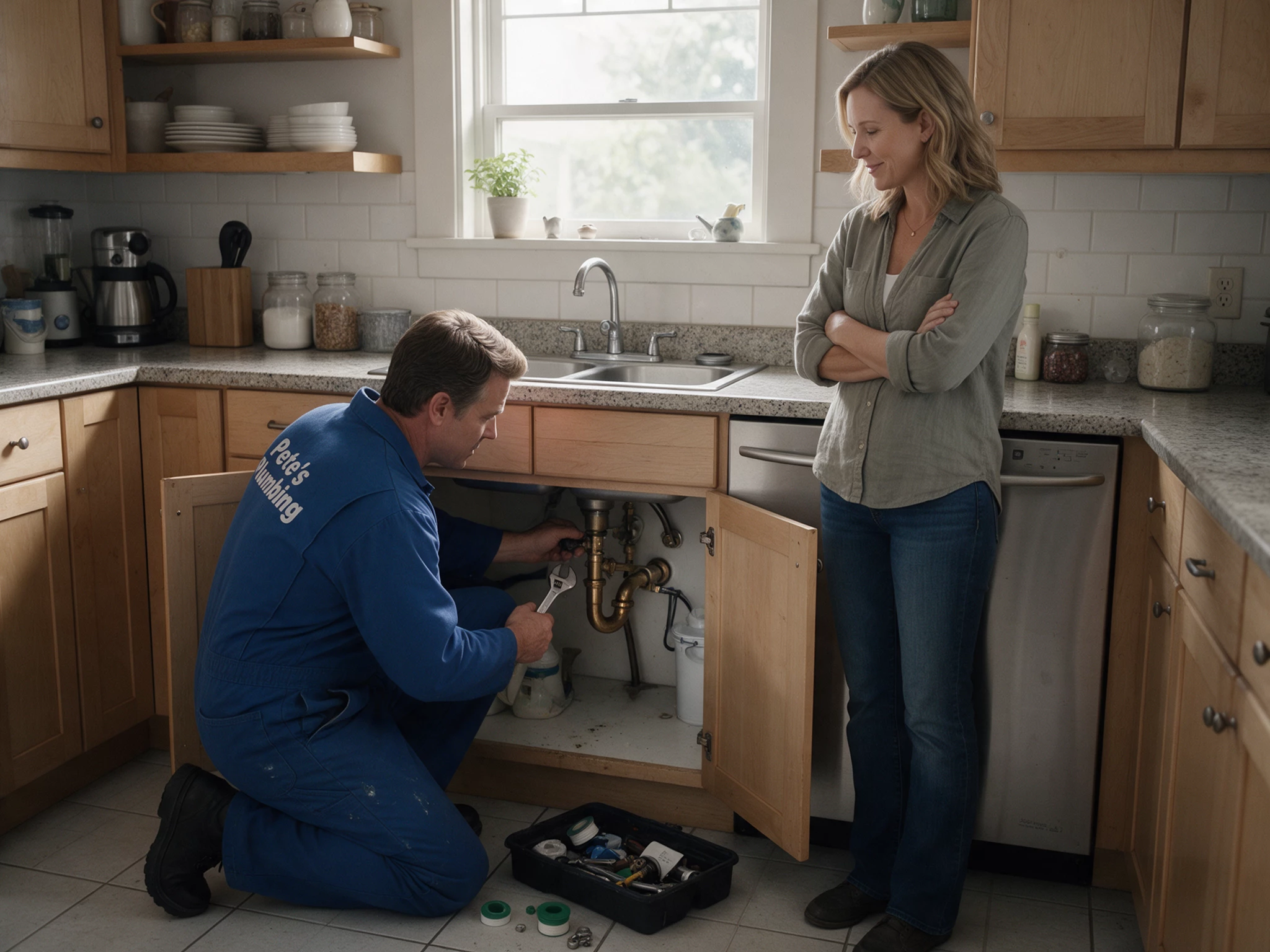
4. Run hot water after using the sink
A few seconds of hot water after washing up keeps soap and food residue moving instead of settling in the trap. Once a month, pour a kettle of hot (not boiling) water down bathroom sinks to loosen soap scum. Boiling water can soften PVC joints.
5. Only flush toilet paper
Wipes, even ones labeled flushable, don't break down the way toilet paper does. They snag on roots and rough spots in older sewer lines and wrap around pumps. On a septic system, which many homes in Canterbury, Loudon and Hopkinton have, they fill the tank and can clog the outlet.
| Never down a drain | Why |
|---|---|
| Grease, oil and fat | Hardens in the pipe and catches everything after it |
| Wipes, paper towels, floss | Don't break down; snag and wrap around pumps |
| Coffee grounds and eggshells | Settle into a heavy sludge in the trap |
| Paint, solvents, medications | Harm septic systems and the water supply |
| Cat litter | Swells and sets like cement |
When it's more than a simple clog
One slow sink is usually a local clog in the trap or the line right behind it. When the trouble shows up in several places at once, the problem is often further down, in the main drain or the sewer line out to the street or the septic tank.
- Several drains are slow at the same time
- Water backs up into the tub or shower when you flush or run the washer
- Gurgling from drains or toilets
- A sewer smell in the basement or yard
- Water around the floor drain in the basement
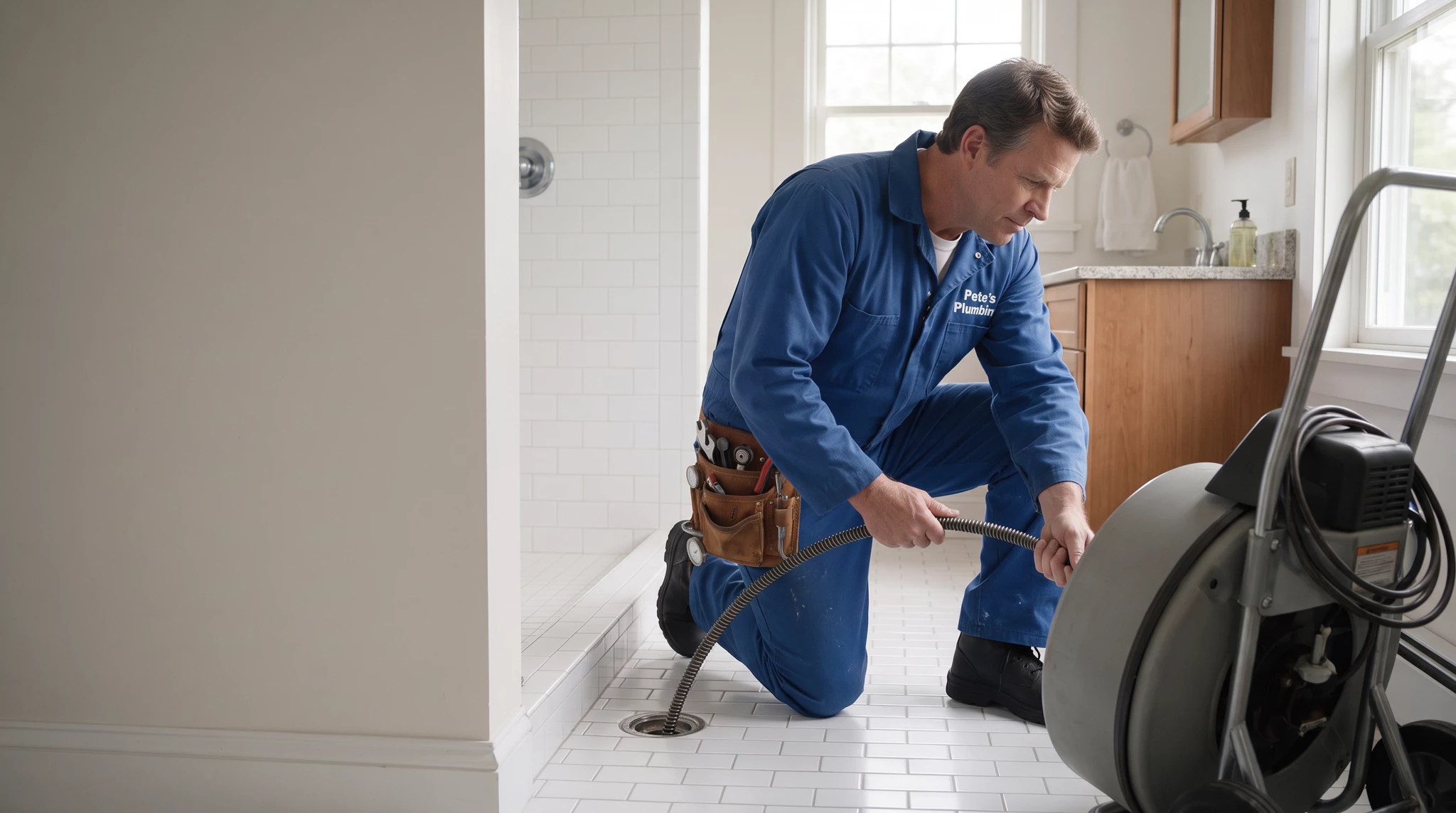
If the same drain clogs every few months, there's a reason. We'd rather find it once with a camera than snake that line every season.
Pete's Plumbing clears drains and sewer lines across Concord and the towns around it, and we can run a camera down the line to show you exactly what's going on. Call (762) 254-4897 or request service online and we'll call you back to set a time.
Need A Plumber In Concord?
Open 24/7 in Concord and the towns around it. Call or book a time.